
Self-healing paint protection film (PPF) has a top layer that softens with warmth and smooths out light scratches and swirl marks. It won’t fix deep scratches, rock chips that break through the film, or dents. What it does well is keep your paint looking newer for longer.
Today’s premium films, like XPEL Ultimate Plus, are built in layers. The film absorbs impacts and abrasion, and the clear top coat is the part that heals. On XPEL films, that self-healing clear coat is roughly 13 microns thick.
Here’s how it works, what to expect, and how to care for it.
How Does Self-Healing PPF Work?
The top coat is an elastomeric polymer, which means it can flex and then return to its original shape. When it picks up light marks, like wash swirls or minor scuffs, warmth helps that layer relax and level back out.
XPEL names two ways to activate it:
- Sunlight
- Warm water
That’s it. Parking in the sun or rinsing with warm water is all your film needs. In a Sacramento summer, a lot of light marks fade on their own just from a normal day outside.
What Can Self-Healing PPF Fix?
It works well on:
- Light swirl marks from washing
- Minor surface scuffs
- Fine scratches that don’t cut through the film
It won’t fix:
- Deep scratches that cut through the film
- Rock chips that puncture the surface
- Dents or damage to the paint underneath
Damage that goes through the film needs a repair or a replacement panel of film.
Does PPF Actually Work in Real Life?
Yes, when the film is high quality and installed correctly. Self-healing PPF helps a vehicle look newer longer by:
- Reducing visible wash marks over time
- Keeping high-contact areas looking clean
- Cutting down on the need for paint correction
Results depend on three things: the brand and grade of film, the quality of the install, and how the vehicle is maintained. Lower-grade films may advertise self-healing but not perform the same under repeated wear.
Why Daily Commuters Benefit From PPF
The biggest benefit isn’t that scratches vanish. It’s that your paint ages more slowly. Unprotected paint builds up micro-scratches, dullness from repeated washing, and visible wear in high-contact areas.
Self-healing PPF slows that down, especially on:
- Door handle cups
- Hood and front bumper
- Side mirrors
- Trunk edges and loading areas
It’s a long-term appearance investment, not a magic fix.
How to Maintain Your PPF
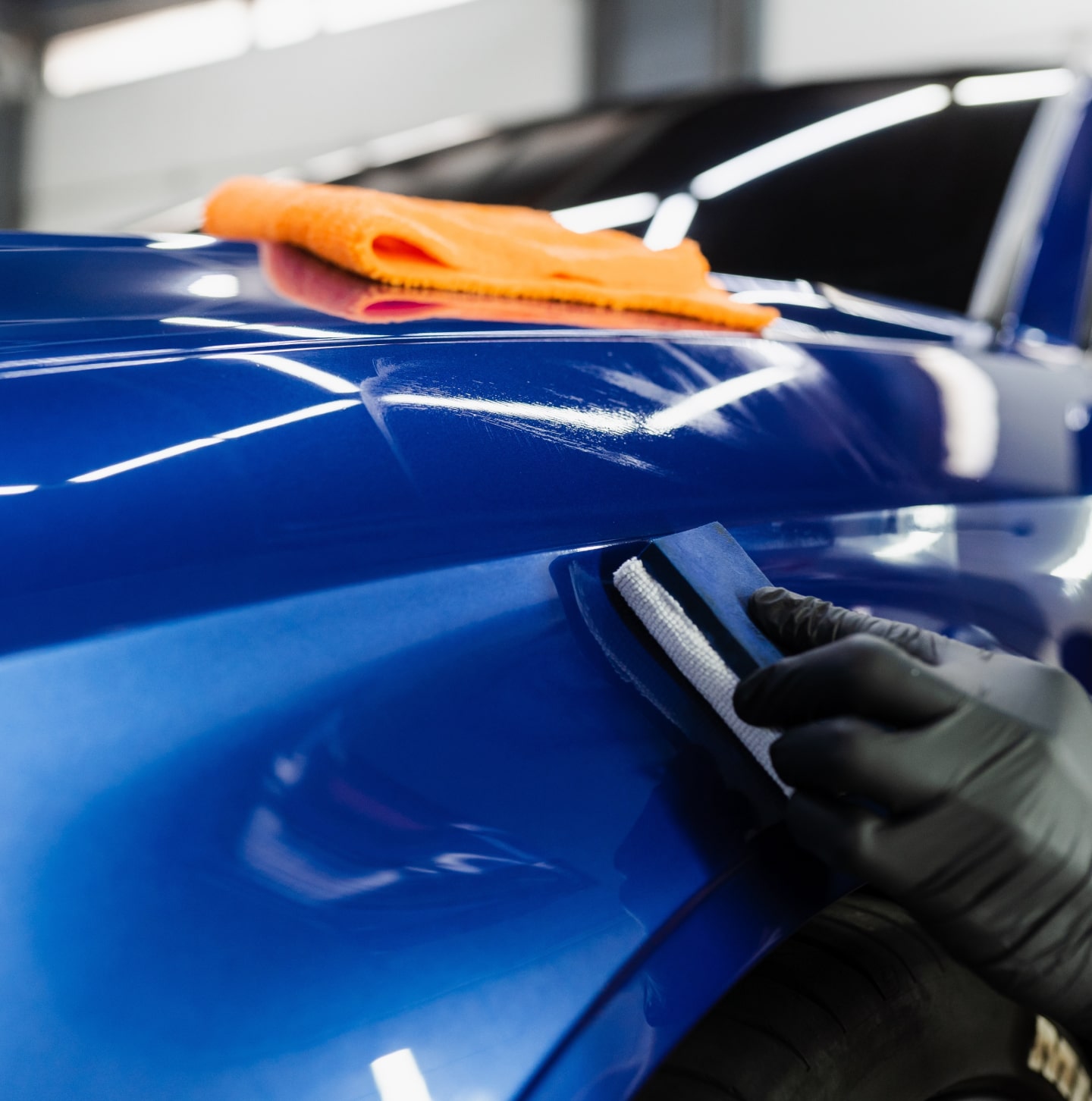
PPF is low maintenance, but it isn’t zero maintenance. To protect your film and your warranty:
- Wash with mild soap and water. Skip harsh chemicals and stiff brushes.
- Avoid automated car washes with brushes.
- Let sunlight and warm water handle light marks. Don’t try to speed things up with other heat sources.
- Seal it twice a year. XPEL recommends treating the film with XPEL Flawless Finish Paint Protection Film Sealant twice a year to keep it easier to clean.
- Check your products. If you wax the film, XPEL advises avoiding waxes with dyes or with naphtha or kerosene above 5%.
- Spot something through the film? Call us. We’ll look at it and handle it under the warranty if it applies.
How Long Does XPEL PPF Last?
XPEL backs Ultimate Plus with a 10-year manufacturer warranty covering yellowing, cracking, peeling, bubbling, and delamination. Sunco installs XPEL films, so your install is covered under XPEL’s warranty terms. See the XPEL warranty page for full details.
Is Self-Healing PPF Worth It? 
If your goal is to keep your vehicle looking clean and well cared for over time, yes. It won’t stop every kind of damage, but it reduces the everyday wear that makes a car look older faster. For daily drivers, that adds up.
Self-Healing PPF FAQs
Does self-healing PPF work without heat? Warmth is what activates it. Normal outdoor temperatures can be enough for light marks to fade over time. Sunlight or warm water speeds it up.
Can I use a heat gun or hair dryer on my PPF? We don’t recommend it. Concentrated heat can damage the film and your paint. Sunlight and warm water are the activation methods XPEL recommends. If a mark won’t fade, bring it to us.
How long does self-healing PPF last? XPEL Ultimate Plus carries a 10-year manufacturer warranty against yellowing, cracking, peeling, bubbling, and delamination.
Can you still see scratches on PPF? Right after a scratch happens, you may see it. Light marks usually fade with sun or warm water. Scratches that cut through the film won’t heal.
Is self-healing PPF better than ceramic coating? They do different jobs. PPF is a physical layer that protects against chips and scratches. Ceramic coating adds gloss and makes cleaning easier, with minimal physical protection. Many owners use both.
Schedule Your PPF Today
Sunco Protective Films is a family-owned, third-generation shop serving the Sacramento area for over 30 years. We install XPEL paint protection film and can walk you through coverage options for the way you drive.