
Owning a car with paint protection film means you’ve already taken one of the smartest steps toward keeping your vehicle looking new. But just like any other protective layer, PPF needs a little care to stay clear, glossy, and long-lasting. Sacramento’s heat, dust, and road conditions can take a toll on even high-end films like XPEL or STEK if they’re not maintained properly. That’s why our experts at Sunco Protective Films offer a practical PPF maintenance checklist built for real drivers. There are no gimmicks, no complicated detailing routines, just steady care that keeps your film (and paint) in top shape year after year.

1. Work with Qualified PPF Installers
If you do nothing else, make sure you work with PPF installers who are experienced, skilled, and know their craft. Our PPF experts at Sunco Protective Films thoroughly prep your car, wash, and sanitize it before seamlessly installing your PPF. Our installers also inspect your film under lights and from multiple angles to ensure there’s no bubbling or defects. We’ll also let your car cure and set for the best results possible.
When you work with our PPF installers, you get warranty-backed products and work from a team that prioritizes the customer experience from start to finish.
2. Stick to Gentle Washing
Once your film has cured, it’s safe to wash, but skip the harsh chemicals. Use a pH-balanced car shampoo and soft microfiber mitt. High-pressure sprayers should be kept at least 3 feet away from the surface, especially around film edges. Never use degreasers or abrasive pads, as they can dull the finish or lift corners.
For best results:
- Wash your car in the shade or early morning.
- Always rinse first to remove loose grit before touching the surface.
- Use two buckets, one for soapy water and one for rinsing the mitt, to avoid reapplying dirt.
- Dry gently with a clean microfiber towel instead of letting water air-dry.
Washing regularly prevents Sacramento’s dust, sap, and bug residue from etching into the film.
3. Keep Your Car Away From Harsh Chemicals
Some car cleaners and products marketed as “all-purpose cleaners” or “bug removers” can discolor film or weaken its adhesive over time. The same goes for petroleum-based products and tar removers. Stick to cleaners specifically labeled safe for PPF or automotive clear bras. Also avoid automatic waxing tunnels that use unknown chemicals. If you want added shine or slickness, use a spray sealant designed for coated surfaces or PPF-safe ceramic boosters.
4. Remove Contaminants Quickly
Sacramento roads see plenty of construction dust, bird droppings, and tree sap. All of these leave behind stubborn marks if left sitting too long. Clean these contaminants as soon as possible using a soft microfiber towel and warm water. If that doesn’t work, try a dedicated PPF-safe bug and tar remover.
For tougher contaminants like hard water spots or light oxidation, a professional detailer can decontaminate the film safely using low-abrasive methods that won’t scratch the top coat.
5. Use the Sun to Your Advantage
If you notice light scuffs or swirl marks, let your car sit in the sun for a few hours. Most self-healing PPFs, including XPEL Ultimate Plus, will naturally smooth out minor scratches with warmth. You can also run warm (not boiling) water over the area or park in a heated garage to activate the film’s self-healing layer. For deeper marks that just won’t fade, ask your installer whether they can spot-polish the area without cutting through the top coat.
6. Schedule Regular Inspections
Even the best installation benefits from a quick yearly check. Temperature shifts and daily use can cause slow lifting or edge wear you might not notice right away. During an inspection, a professional can:
- Reheat and reseal minor lifts before dirt gets underneath.
- Check for adhesive degradation or edge discoloration.
- Clean and refresh high-impact zones like bumpers or mirrors.
- A short appointment once a year can save you from a costly reinstallation later.
7. Get Smart About Parking
Sacramento summers are harsh on your car’s paint. Whenever possible, park in shaded areas or use a sunshade when leaving your car outdoors. UV exposure doesn’t just affect paint; it can also fade or age PPF prematurely. If you garage your car, try to keep it clean before storing it long-term. Dust sitting under the film edges can work its way in over time if it’s left untouched.
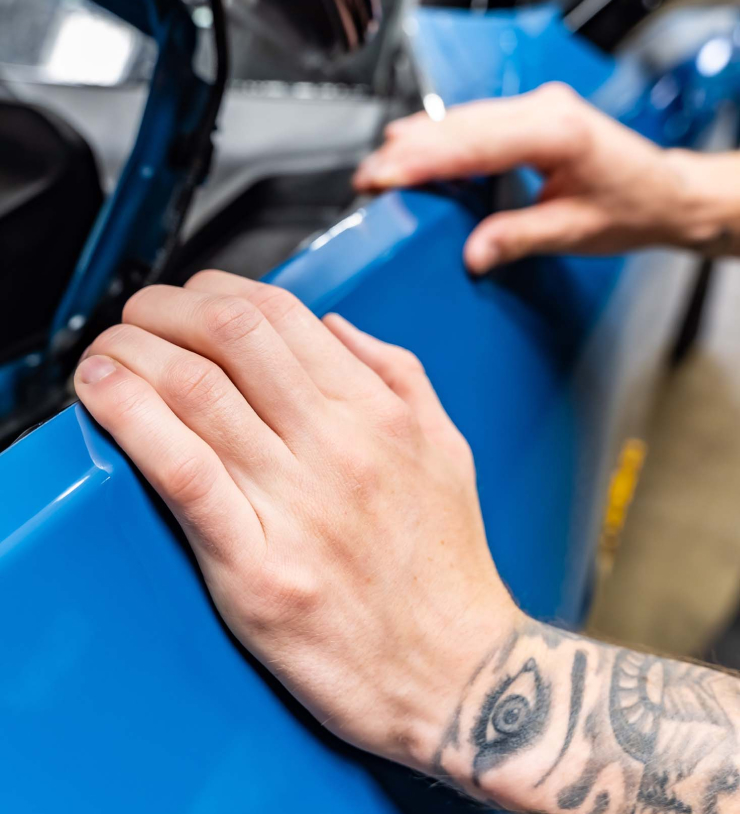
8. Know When It’s Time for Replacement
Quality PPFs like XPEL can last seven to ten years, sometimes longer with proper care. But film eventually reaches the end of its lifespan. Here are some of the signs to watch for:
- Yellowing or dullness that doesn’t wash away
- Edges that won’t stay sealed
- Rough or brittle texture near seams
- Cloudy patches that don’t self-heal
When you see these signs, it’s better to replace your PPF than to layer over or spot-fix. Call us for a safe removal and thorough pre- and post-reinstallation to keep your film looking fresh while avoiding old adhesive beneath.
Call Sunco Protective Films for a PPF Quote Today!
Caring for your paint protection film doesn’t require fancy products or daily effort. You just need consistent, mindful maintenance. Sacramento’s sun and road grit can be tough on any vehicle, but with the right habits, your PPF will keep its clarity and gloss for years.
Use this checklist as your simple routine: wash gently, watch your edges, skip harsh cleaners, and schedule regular inspections. With steady care, your PPF will do what it was designed for and keep your paint flawless and your car looking sharp every time you drive it. Call for a quote today!