
A quick drive down Hwy 50 in July can turn your cabin into an oven. Window film helps: cooler seats, less glare, and UV protection for you and your interior. But California has some of the strictest tint rules in the country, and a lot of what you read online is rounded off, outdated, or simply wrong.
This guide walks through what California Vehicle Code Section 26708 says, window by window, so you know what is allowed before you book.
Laws change. Check current rules before you install. This page reflects Vehicle Code 26708 as last updated January 1, 2026, and was reviewed in October 2026. Always confirm the current text on the California Legislative Information site before installing. This is general information, not legal advice.
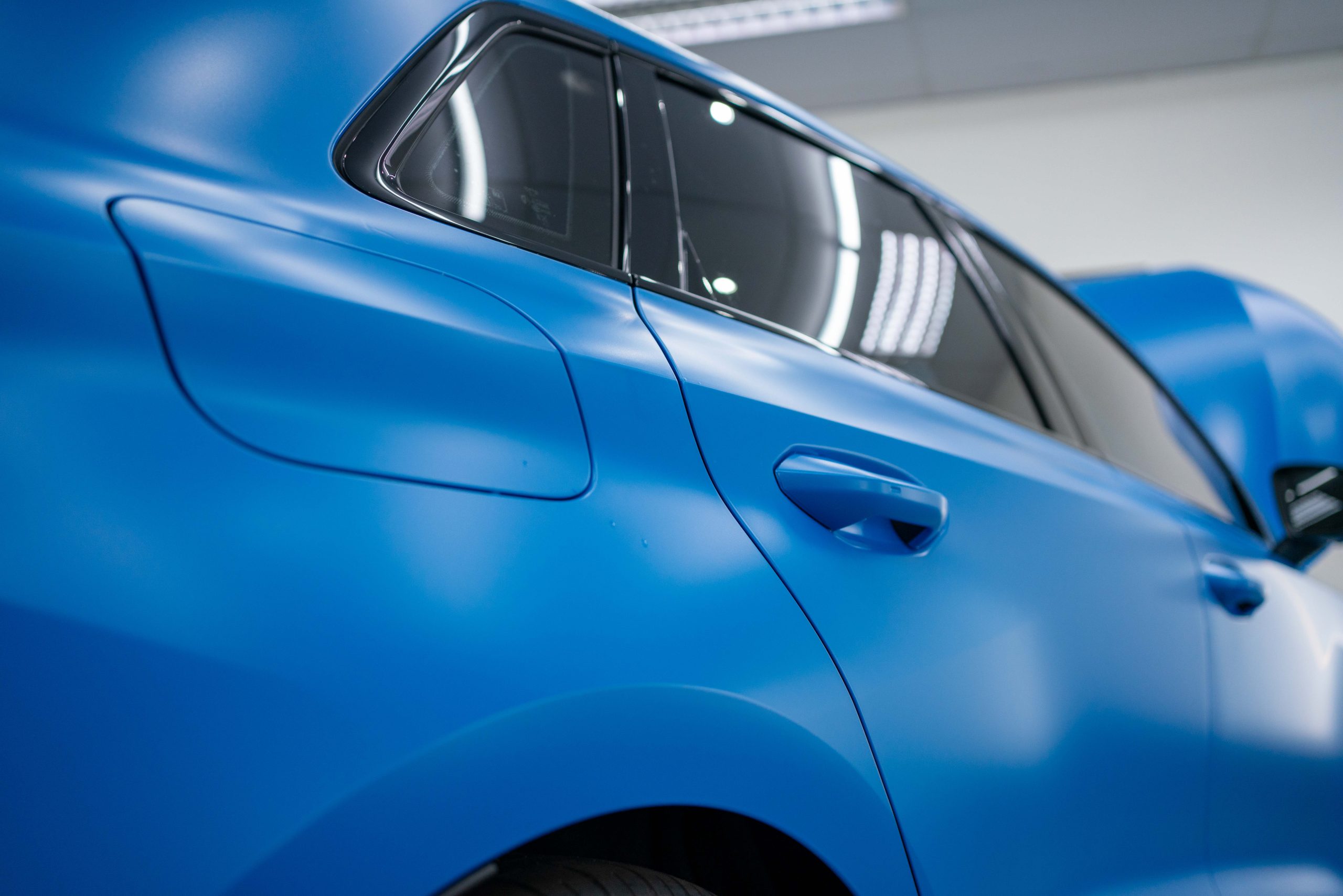
California Window Tint Laws at a Glance
| Window | What the code allows | Where it comes from |
|---|---|---|
| Windshield (top) | Transparent material on the topmost portion, with the bottom edge at least 29 inches above the driver’s seat (measured as described below). Not red or amber, no opaque lettering, no more reflective than the bare windshield. | VC 26708(c) |
| Front side windows | Clear, colorless film only: at least 88% visible light transmittance, glass plus film still meets the federal 70% minimum, UVA blocking, and an installer certificate in the vehicle. | VC 26708(d) |
| Rear side windows | Not restricted by Section 26708. | VC 26708(b)(4) |
| Rear window | Not restricted, as long as the vehicle has outside mirrors on both sides that show at least 200 feet behind. | VC 26708(b)(8) |
| Medical (two separate rules) | Removable sun screening devices on front side windows with a physician or optometrist letter, or clear 88% film on any window with a dermatologist certificate. | VC 26708(b)(10), 26708.2, 26708(e) |
Windshield
Section 26708(a) bars any material on the windshield except what the code specifically allows. Subdivision (c) allows transparent material on the topmost portion of the windshield if all of these are true:
- The bottom edge is at least 29 inches above the undepressed driver’s seat. It is measured from a point 5 inches in front of the bottom of the backrest, with the seat all the way back and all the way down, and the vehicle on level ground.
- The material is not red or amber.
- There is no opaque lettering, and any other lettering does not affect primary colors or distort vision.
- It does not reflect sunlight or headlight glare into other drivers’ eyes any more than the windshield would without it.
You will often hear “the top 4 inches” or “down to the AS-1 line.” Those are shortcuts, not the California standard. The code measures from the driver’s seat, so the allowed strip depends on your vehicle. We measure each car rather than guessing.
Front Side Windows
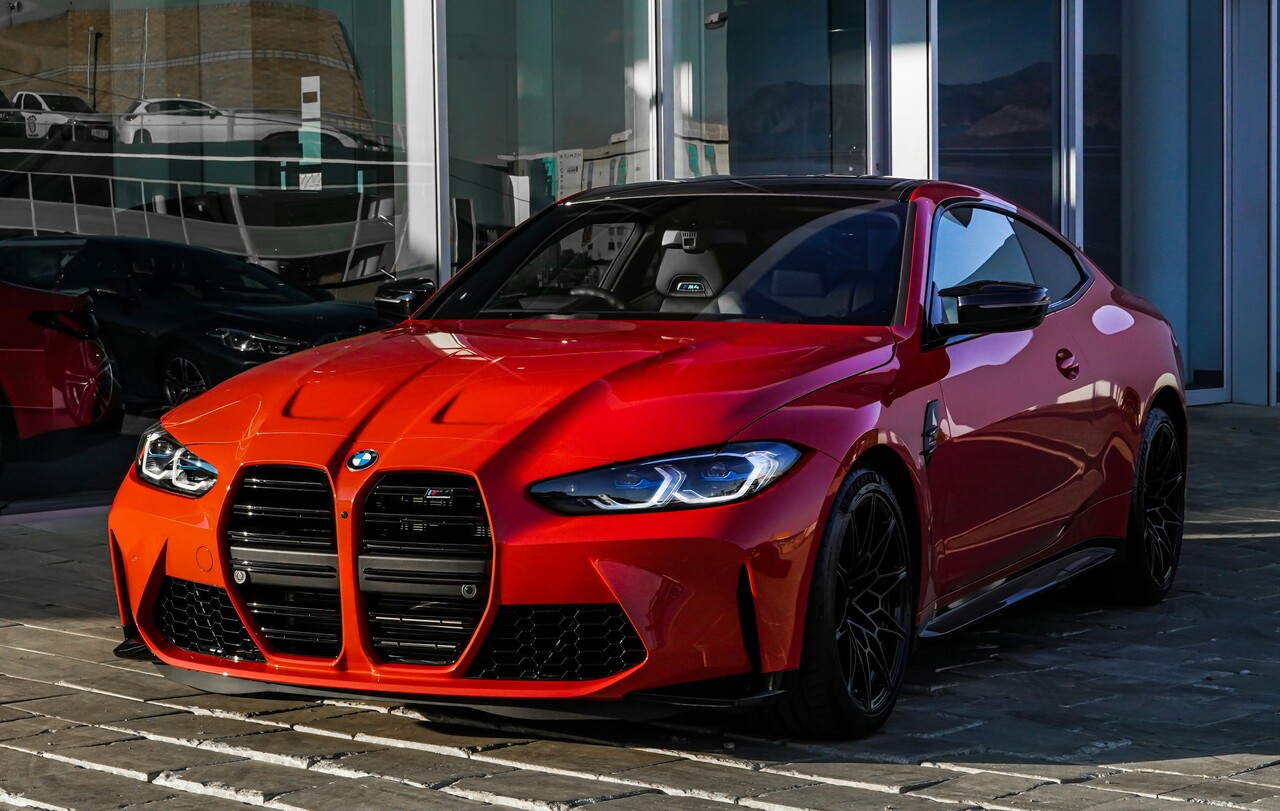
This is where most confusion lives. Subdivision (d) allows film on the windows to the immediate left and right of the front seat only if:
- The film is clear, colorless, and transparent, with a minimum visible light transmittance (VLT) of 88%.
- The window with the film applied still meets Federal Motor Vehicle Safety Standard 205, including its 70% minimum light transmittance and abrasion resistance requirements.
- The film is designed to block ultraviolet A (UVA) rays.
- The driver keeps a certificate in the vehicle, signed by the installing company, stating the windows meet these requirements and listing the installer’s and manufacturer’s full names and street addresses. (If you install it yourself, the certificate comes from the film manufacturer.)
- If the film tears, bubbles, or wears to the point it blocks clear vision, it has to be removed or replaced.
The 70% figure is the minimum for the glass and film together. It is not a tint shade you choose. Factory glass already blocks some light, which is why the code requires the film itself to pass at least 88%. Section 26708.5 backs this up: material that changes the color or reduces the light passing through your windows is only allowed where Section 26708 permits it.
Rear Side Windows and Back Glass
- Rear side windows: Section 26708(b)(4) says the section does not apply to side windows behind the driver. The code sets no darkness limit here.
- Rear window: Section 26708(b)(8) exempts the back glass as long as the vehicle has outside mirrors on both the left and right sides that show the driver at least 200 feet of road behind.
Reflective and Mirrored Film
Section 26708 does not set one reflectivity percentage for all film. It addresses reflection in two places: the windshield strip cannot reflect glare more than the bare windshield, and medical sun screening devices cannot exceed 35% reflectance on either surface (Section 26708.2). We install non-reflective XPEL ceramic films, which avoids the question entirely.
Medical Exemptions: Two Separate Rules 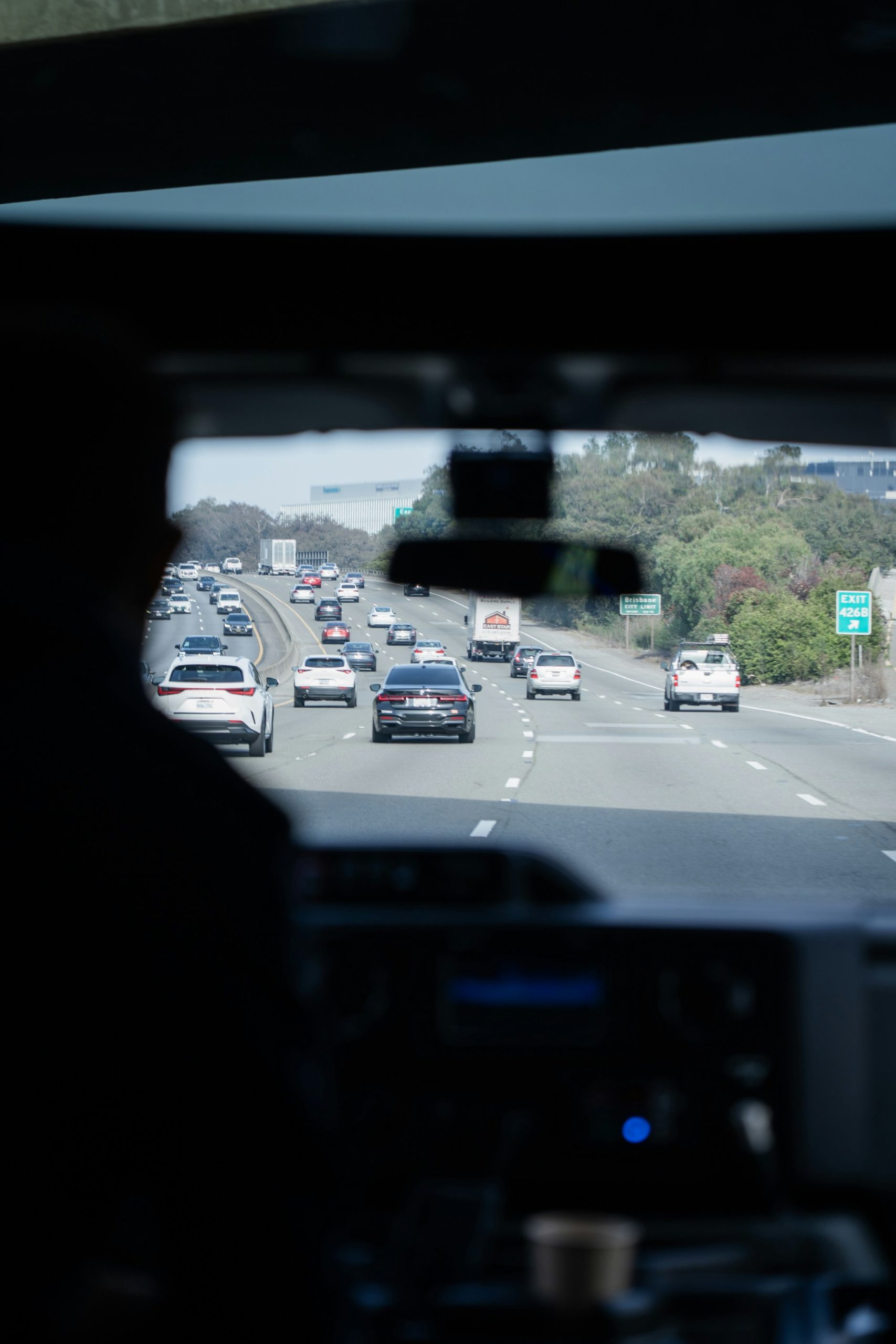
California has two different medical provisions, and they work differently. Mixing them up is the most common mistake we see.
1. Removable sun screening devices (front side windows)
Under Section 26708(b)(10), a removable sun screening device is allowed on the front side windows if the driver or a front passenger carries a letter signed by a licensed physician and surgeon (for a medical condition) or a licensed optometrist (for a visual condition) stating the person must be shaded from the sun.
Section 26708.2 sets the requirements for these devices:
- Held in place so they can be readily removed, such as a frame, rigid panel with temporary fasteners, or roller shade
- Transparent devices must be green, gray, or neutral smoke with at least 35% luminous transmittance
- Louvered or patterned devices must be at least 35% open, with no opaque section taller than 3/16 inch
- No more than 35% reflective on either side
- Cannot be used during darkness
This rule covers removable devices. It is not a permit for darker applied film on the front windows.
2. Clear UV film on any window (dermatologist certificate)
Under Section 26708(e), clear, colorless film may go on the windshield, side, or rear windows if:
- The film has at least 88% VLT, and the glass with film still meets the federal 70% minimum and abrasion standards
- The film is designed to block UVA rays
- The driver carries a certificate signed by a licensed dermatologist stating the person should not be exposed to UV rays because of a medical condition
- The film is removed or replaced if it tears, bubbles, or wears enough to block clear vision
If you think you qualify for either exemption, talk to your doctor first, then bring us the paperwork and we will walk through which rule applies.
Why Choose Window Film
Good film should do more than darken glass. Here is what you will notice:
- Cooler interiors: Seats, dash, and steering wheel stay comfortable.
- UV protection: Helps prevent fading and cracking of upholstery and trim.
- Less glare: Easier on your eyes when the sun is low.
- No signal issues: Ceramic films do not interfere with GPS, phones, or Bluetooth.
- Clean look: A finished, factory-quality appearance.
Understanding Film Types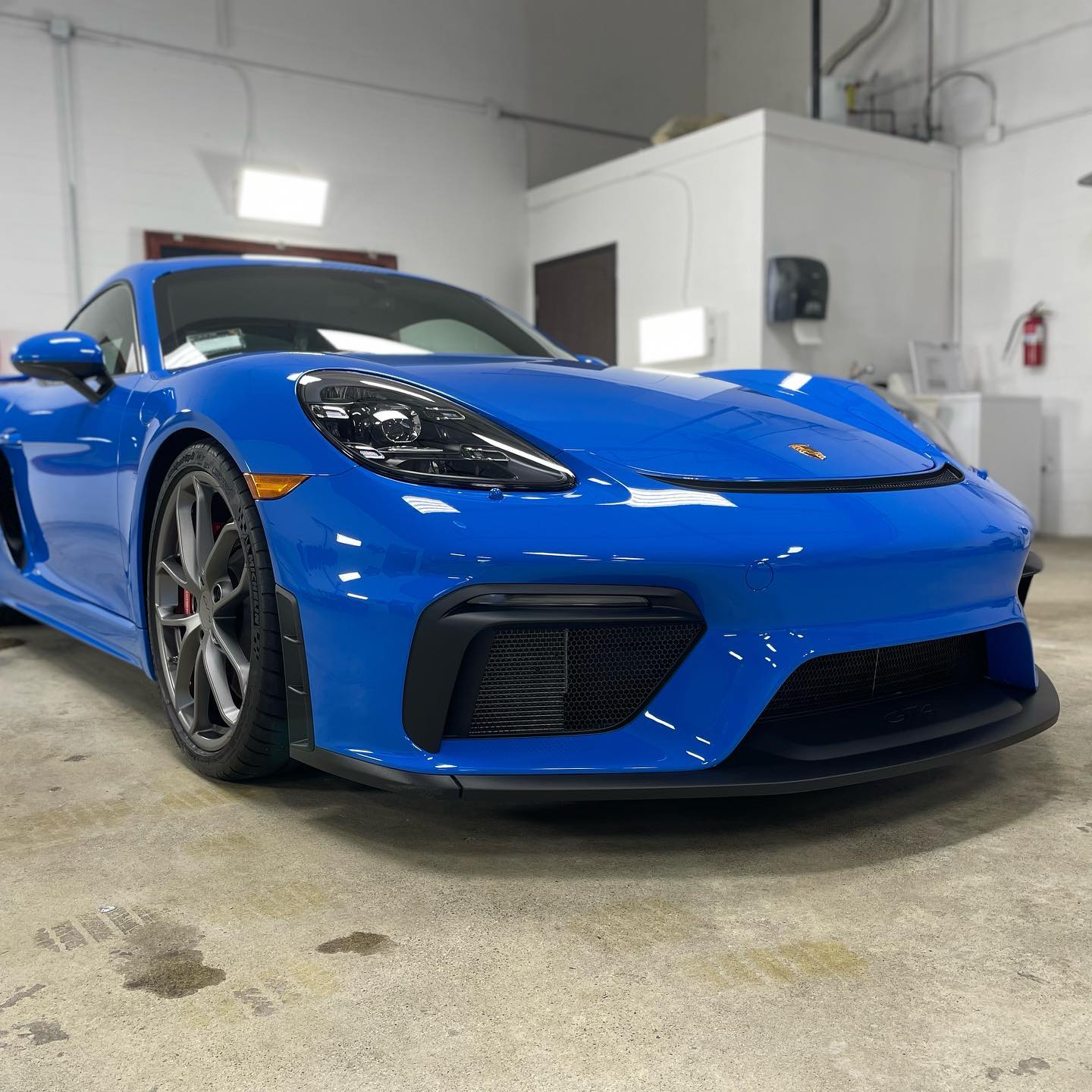
- Dyed film mostly darkens the glass and blocks little heat.
- Metalized film blocks more heat but can interfere with phone, GPS, and radio signals.
- Hybrid film mixes dye and metal, with tradeoffs from both.
- Ceramic film (like XPEL) rejects heat and UV without metal, does not fade, and stays clear for years.
At Sunco Protective Films, we install XPEL ceramic films and match every install to what California law allows for that window.
Caring for Your Film
Wait a few days after install before cleaning. Use a soft cloth and a mild, non-abrasive cleaner. Keep sharp objects away from the film, and watch the edges for lifting or bubbles. Under California law, front side and medical film that tears or bubbles enough to block clear vision has to be removed or replaced, so catch problems early.
California Window Tint FAQ
Is 70% tint legal on front windows in California? The code does not allow tinted film on front side windows. It allows clear, colorless film with at least 88% VLT, and the glass with film must still meet the federal 70% minimum. Vehicle Code 26708(d). 
How dark can I tint my rear windows in California? Section 26708 does not limit rear side windows. The back glass is also unrestricted if your car has outside mirrors on both sides showing at least 200 feet behind.
Is a windshield sun strip legal in California? Yes, if the bottom edge sits at least 29 inches above the driver’s seat (measured per the code), it is not red or amber, has no opaque lettering, and is no more reflective than the bare windshield.
Does a doctor’s note let me tint my front windows darker? A physician or optometrist letter allows removable sun screening devices on front side windows, with at least 35% light transmittance, and they cannot be used in darkness. A dermatologist certificate allows clear 88% UV film on any window. Neither allows dark applied tint.
Do I need a certificate for front window film? Yes. Keep a certificate from the installer in the vehicle that lists the installer and film manufacturer by full name and street address.
Talk to Sunco Protective Films
We are a family-owned, third-generation shop serving the Sacramento area for over 30 years. Bring us your vehicle and we will show you what film options fit California law for each window, and what each one does for heat, glare, and UV.
Schedule your window tinting appointment today.
Laws change. Always check the current text of Vehicle Code 26708 before installing. This article is general information, not legal advice.
Sources
- California Vehicle Code 26708 (leginfo.legislature.ca.gov)
- California Vehicle Code 26708.2
- California Vehicle Code 26708.5
Last reviewed October 2026,