
Designed to regulate heat, protect from dangerous solar rays, and improve appeal, auto window tinting offers impressive benefits for every vehicle owner. Even though it’s often only thought about during the summertime, auto window tinting is beneficial to the everyday driver year-round. Glare, for example, is much worse in the winter months due to the increased tilt of Earth’s axis.
Keep your passengers and interiors comfortable and safe with the added protection of our high-quality window films. Excluding excessive heat, ultra violet light, and blinding glare that can be a strain on any person or vehicle.
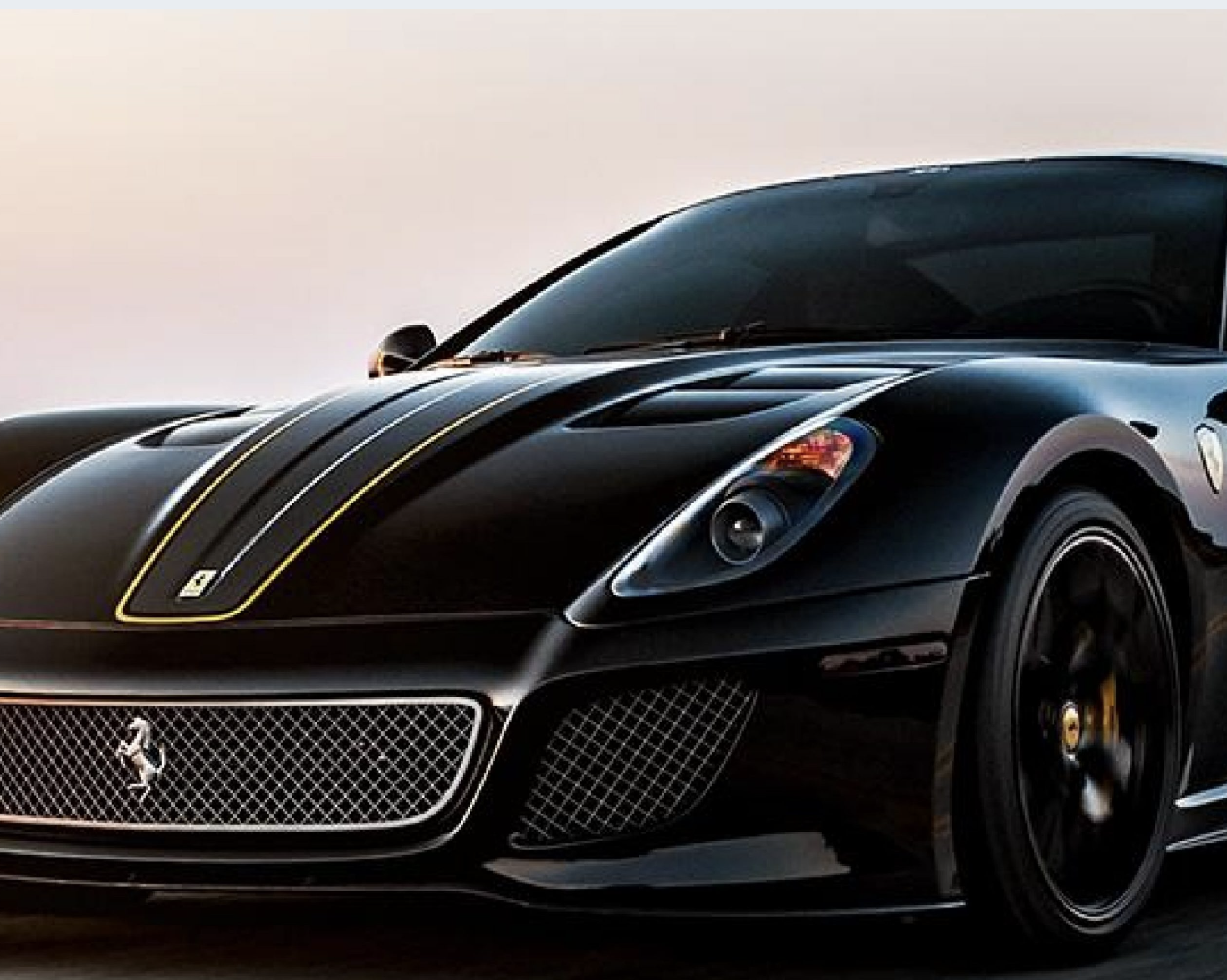
Professional Automotive Window Tinting in Sacramento, CA
Automotive window tinting helps Sacramento drivers reduce solar heat, limit ultraviolet exposure, and improve driving comfort throughout the year. Sunco Protective Films offers automotive window tinting using advanced window film technology, including XPEL PRIME XR PLUS. The right film can provide effective solar protection while maintaining visibility and complementing your vehicle’s appearance.
Sacramento’s hot, sunny summers make solar heat control especially valuable for vehicles parked outdoors or driven regularly. However, window tinting is not just a summer upgrade. Quality window film can also reduce uncomfortable glare and help protect vehicle interiors from prolonged sunlight exposure.
Whether you drive a sedan, SUV, truck, or another passenger vehicle, choosing an appropriate window film involves considering heat rejection, UV protection, visible light transmission, and California’s window tint regulations.
WHAT WINDOW TINTING CAN DO FOR YOU
Our multilayer nano-ceramic particle technology blocks up to 98% of the infrared heat.
Avoid fading and protect resale value with protection from UV rays, heat and other damaging solar energy.
XPEL PRIME XR PLUS provides SPF 1,000 protection that effectively blocks over 99% of harmful UV rays that can lead to numerous skin cancers, premature aging and skin cell damage.
In a digital world, clear communication is key. PRIME XR PLUS construction will not interfere with radio, cellular, or bluetooth signals.
In the past, keeping cool meant choosing a darker shade of tint. The multi-layer nano construction in XPEL PRIME XR PLUS provides ultra-high performance without reducing outbound visibility.
Drive in style with an intelligent solar film that will drastically improve comfort, protection, and the appeal of your ride.
Ceramic Window Tint vs. Traditional Window Tint: What’s the Difference?
Ceramic window tint uses advanced particles to manage solar energy, while conventional films may rely on dyed or metallic layers. Premium ceramic films can offer strong infrared heat rejection without requiring very dark glass. The best choice depends on the film’s tested performance, desired appearance, visibility requirements, and applicable California regulations.
| Feature | Ceramic window tint | Traditional dyed window tint |
|---|---|---|
| Heat rejection | Often higher with premium products | Generally lower with basic films |
| UV protection | High with appropriate products | Depends on product specifications |
| Glare reduction | Depends on film darkness | Depends on film darkness |
| Signal compatibility | Nonmetallic ceramic films generally avoid interference | Nonmetallic dyed films generally avoid interference |
| Appearance | Multiple shades available | Multiple shades available |
| Cost | Generally higher | Generally more affordable |
Why Consider XPEL PRIME XR PLUS?
XPEL PRIME XR PLUS uses multilayer nano-ceramic technology designed to provide strong infrared heat rejection, UV protection, and a comfortable driving experience.
A key benefit of premium ceramic tint is that heat rejection and film darkness are not the same thing. Drivers can evaluate lighter films that offer solar protection while maintaining greater visible light transmission.
Actual performance varies by film specification and installation configuration.
How Dark Can You Tint Your Car Windows in California?
California has specific laws governing automotive window tinting. Requirements vary depending on the window’s location, the type of film, and the vehicle’s original glass.
For most passenger vehicles, California’s rules include the following considerations:
- Front side windows: Qualifying aftermarket UV film must be clear, colorless, and transparent, have at least 88% visible light transmission as a film, and meet additional requirements, including combined glazing compliance. A general 70% tint is not automatically legal.
- Rear side windows: Darker aftermarket tint is generally permitted, subject to applicable vehicle and mirror requirements.
- Rear windshield: Tint is generally permitted when the vehicle meets applicable outside-mirror requirements.
- Front windshield: Aftermarket tinting is restricted, with limited allowances for qualifying materials and locations.
California Vehicle Code Section 26708 and related provisions establish these requirements. Drivers should verify current regulations and any applicable exemptions before installation.
What Is Visible Light Transmission (VLT)?
Visible Light Transmission, or VLT, measures the percentage of visible light passing through glass or window film.
- 70% VLT: Allows approximately 70% of visible light through.
- 50% VLT: Allows approximately half of visible light through.
- 35% VLT: Allows approximately 35% of visible light through.
- 20% VLT: Allows approximately 20% of visible light through.
Lower VLT percentages generally produce a darker appearance.
The VLT of an individual film is not necessarily the final VLT of the glass-and-film combination. Professional film selection should account for the vehicle’s original glazing and applicable California regulations.
Does Ceramic Window Tint Really Keep Your Car Cooler?
Ceramic window tint can reduce solar heat entering a vehicle by rejecting portions of the sun’s energy, particularly infrared radiation. This can improve driving comfort and reduce direct heat exposure through treated windows. However, temperature results depend on film performance, glass area, vehicle design, sunlight, and weather conditions.
Heat Rejection vs. Tint Darkness
A darker window film is not automatically more effective at rejecting heat. When comparing automotive window tinting products, consider these performance measurements:
- Infrared rejection: Measures how effectively a film rejects specified infrared wavelengths.
- Total Solar Energy Rejected (TSER): Indicates the percentage of total incident solar energy rejected under stated test conditions.
- Visible Light Transmission (VLT): Measures how much visible light passes through the film or glass assembly.
- UV rejection: Indicates how effectively the film reduces ultraviolet radiation transmission.
Understanding these measurements helps Sacramento vehicle owners choose films based on actual performance rather than appearance alone.
What Should You Expect During Professional Window Tint Installation?
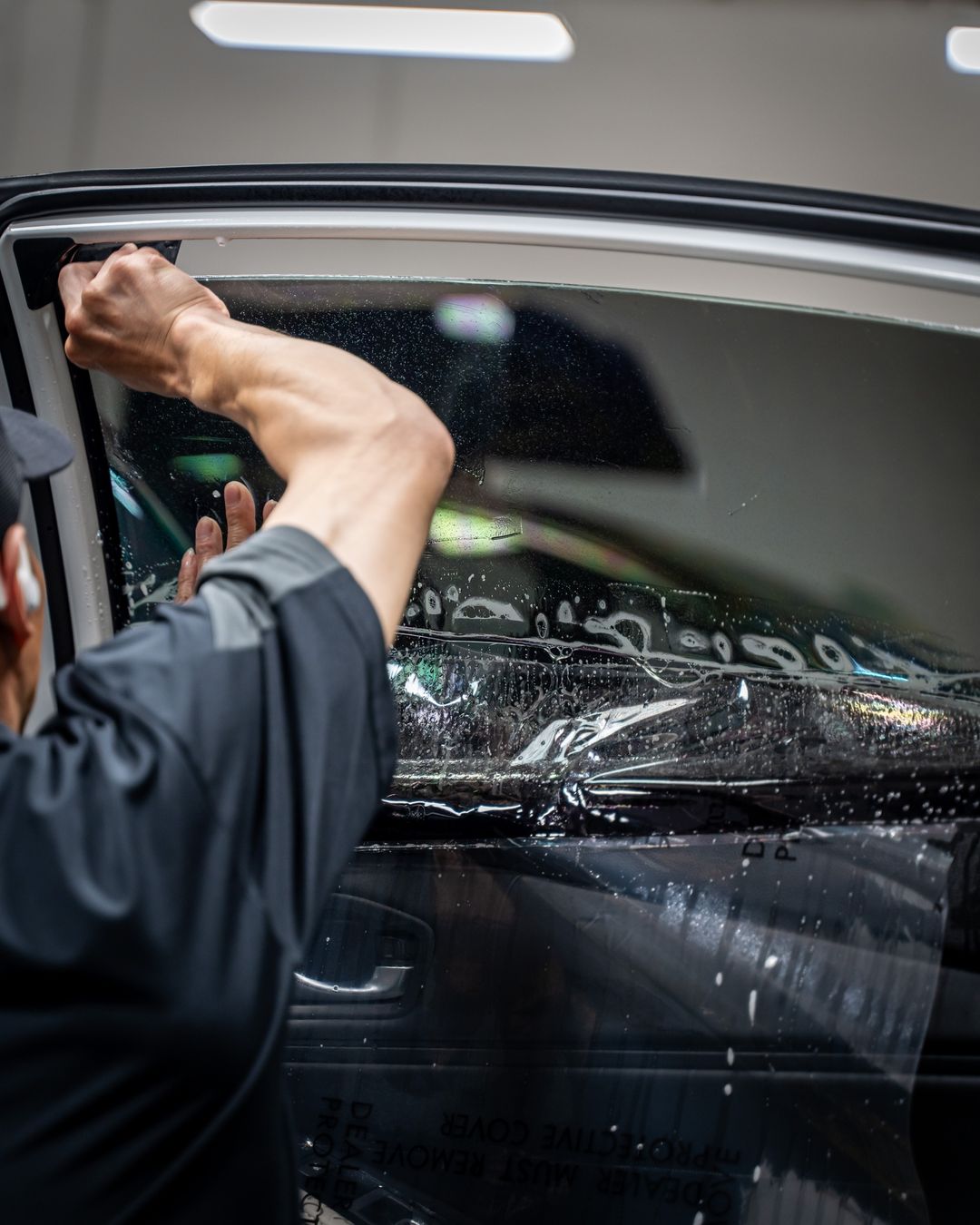
Professional automotive window tint installation typically involves inspecting and cleaning the glass, preparing the selected film, applying it to the appropriate interior glass surfaces, and checking the finished result.
Before Your Window Tinting Appointment
Remove personal belongings that may obstruct access to the windows. Inform the installer about any existing tint, damaged glass, or aftermarket accessories that could affect installation.
After Window Tint Installation
Newly installed window film may show temporary moisture haze or small water pockets while the mounting solution dries.
Curing time varies depending on the selected film, weather conditions, temperature, and vehicle environment.
Follow your installer’s recommendations regarding when to lower your windows and how to clean the film. Avoid abrasive cleaning products and tools that could damage the surface.
What Affects the Cost of Car Window Tinting in Sacramento?
Automotive window tinting costs vary depending on the vehicle, film selection, number of windows, glass shape, and preparation requirements. Premium ceramic films generally cost more than basic dyed films because of their construction and performance characteristics.
Common pricing factors include:
- Vehicle size and body style
- Number and shape of windows
- Selected window film and performance level
- Existing film removal, if required
- Installation complexity
- Applicable legal restrictions
For an accurate estimate, provide your vehicle’s year, make, model, and the windows you want tinted when requesting a quote.
Frequently Asked Questions About Sacramento Window Tinting
Is ceramic window tint worth it in Sacramento?
Ceramic window tint can be worthwhile for Sacramento drivers who want improved solar heat control, UV protection, and driving comfort. Premium ceramic films can provide strong performance without requiring the darkest available shade. Compare verified product specifications and installation costs before deciding.
Does window tint block UV rays?
Many automotive window films block a substantial percentage of ultraviolet radiation. XPEL PRIME XR PLUS is described as blocking over 99% of harmful UV rays. Protection depends on the specific film and the glass surfaces treated. Window tinting does not replace other sun-protection measures.
Can I get heat-rejecting tint without making my windows very dark?
Yes. Certain ceramic window films provide substantial infrared heat rejection at relatively high visible light transmission levels. This makes them worth considering for drivers who prefer a lighter appearance. However, film selection must still comply with California’s window tint regulations.
How long does automotive window tint take to cure?
Curing time depends on the film, installation conditions, temperature, humidity, and sunlight exposure. Some temporary haze or moisture patterns may be visible during curing. Follow the film manufacturer’s and installer’s guidance rather than assuming a universal curing period.
Can window tint interfere with GPS, Bluetooth, or cell signals?
Nonmetallic ceramic window films are generally designed to avoid the signal interference sometimes associated with metal-containing films. XPEL PRIME XR PLUS is specifically described as compatible with radio, cellular, and Bluetooth signals.
How do I choose the right window tint for my vehicle?
Start with your priorities: heat reduction, UV protection, appearance, glare control, and budget. Compare VLT, infrared rejection, TSER, and manufacturer specifications. A professional installer can help select an appropriate film for your vehicle while considering California’s window tint laws.
Explore Automotive Protection Services at Sunco Protective Films
Window tinting is one part of protecting and maintaining your vehicle. Depending on your needs, you may also want to explore complementary automotive protection options.
Learn more about automotive window tinting, explore Tesla window tinting in Sacramento, or review our frequently asked questions.
Ready to discuss the right window film for your vehicle? Schedule a service with Sunco Protective Films to discuss available options and request installation information.